 ultimate-guide
FEC Food and Beverage Operational Strategies That Work
Last Updated: November 15, 2026
Quick Summary
FEC food and beverage operational strategies work best when you build a menu for speed, margin, and repeat visits, control waste through pre-portioning and par-level inventory, and staff to forecasted peak demand. Track a small set of metrics on a fixed cadence, including food cost percentage, labor cost percentage, contribution margin by item, and sales per guest, so you can act on the number that moves first.
- Build the menu around a small set of high-volume items to protect speed during peak weekend hours.
- A par-level inventory system tied to sales history prevents over-ordering and spoilage.
- Cross-train staff so the same people can work the counter, line, and floor as volume shifts.
- Calculate food cost percentage by dividing food COGS by food sales, then multiplying by 100.
- Review order time and sales per guest daily, and food cost, labor cost, and waste weekly.
Table of Contents
- Why FEC Food and Beverage Drives Guest Satisfaction and Revenue
- FEC Menu Design: Building a Menu for Speed, Margin, and Repeat Visits
- Food Waste Reduction for Entertainment Centers: Pre-Portioning and Inventory Control
- Healthy Food Options for Entertainment Centers: Widening the Guest Base
- Staffing and Labor Planning for Peak FEC Service
- FEC Food and Beverage Metrics: A Measurement Framework for Profitability
- Technology, POS Integration, and Real-Time Capacity Control
- Request a Consultation to Audit Your F&B Operation
- Frequently Asked Questions
Why FEC Food and Beverage Drives Guest Satisfaction and Revenue
Food and beverage is the quiet engine of a family entertainment center's bottom line. While attractions bring guests through the door, FEC food and beverage keeps them on site longer, lifts average spending per visit, and gives families a reason to return.
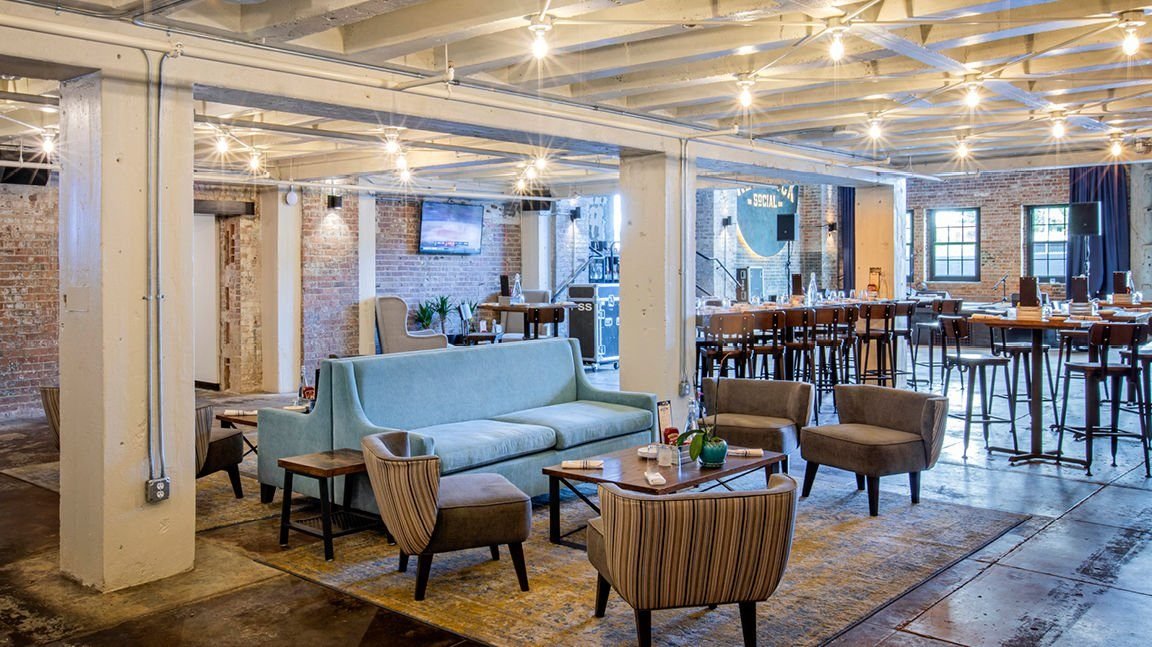
The logic is straightforward. A guest who stays for a meal spends more time on the floor and more money across the venue. A parent who trusts the food offering is a parent who plans a repeat visit. Guest satisfaction and revenue growth are not competing goals here; they reinforce each other.
Below, we lay out an operating approach for FEC food and beverage programs, from menu engineering to staffing to the metrics that tell you whether the program is actually working.
For a deeper look at the revenue upside, see our guide on how to improve food and beverage profitability.
FEC Menu Design: Building a Menu for Speed, Margin, and Repeat Visits
A strong FEC menu design balances three forces that pull against each other: speed of service, contribution margin, and the appeal that drives repeat visits. Most centers optimize for one and pay for it in the other two.
Start with speed. A menu built around a small set of high-volume items moves guests through the line faster, which matters most during peak weekend hours when the queue at the counter can cost you a sale.
Margin comes next. Menu engineering means knowing which items carry the strongest contribution margin and giving them the best placement and the clearest signage.
Repeat visits are the final test. Themed menus and rotating specials give families a reason to come back, but they should never come at the cost of the core items guests expect.
Best for: centers that want to protect speed during peak service. Skip if: your volume is low enough that an extensive menu won't slow the line.
Food Waste Reduction for Entertainment Centers: Pre-Portioning and Inventory Control
Food waste reduction for entertainment centers is the fastest lever most operators have for improving margin without raising prices. Waste shows up in three places: over-portioning, over-ordering, and spoilage from weak inventory discipline.
Inventory control solves the second and third: a simple par-level system tied to your sales history tells you what to order and when, so you buy against demand rather than guesswork.
A common mistake is ordering to a fixed schedule instead of to actual usage. During slower weeks, that habit quietly builds spoilage you never see on a report. Track what you throw away for two weeks and the pattern becomes obvious.
Healthy Food Options for Entertainment Centers: Widening the Guest Base
Healthy food options can widen the guest base. Families with dietary preferences, health-conscious adults, and guests managing specific needs often decide where to spend based on whether they can find something they will actually eat.
The goal is not to turn your kitchen into a health-food concept. It is to add a handful of credible options that fit your existing line: grilled rather than fried preparations, a fresh salad or wrap, and clearly labeled choices. Labeling matters. When guests can see what is in an item, they order with confidence, and confidence drives repeat visits.
Menu planning here is about balance, not replacement. Keep the indulgent items that drive your core business and add lighter options alongside them.
Staffing and Labor Planning for Peak FEC Service
Labor is where FEC food and beverage programs most often break down. Peak service concentrates demand into a few hours, and a team sized for a quiet Tuesday will fail on a busy Saturday.
Plan labor against forecasted demand, not against a fixed schedule. Build your staffing model around the peak windows you can predict, then flex the slower hours down. Cross-train staff so the same people can work the counter, the line, and the floor as volume shifts. Labor-intensive tasks like prep should be moved off-peak wherever possible, so the team is assembling, not chopping, when the line is longest.
Retention matters as much as scheduling. A trained team that stays is cheaper than a rotating one. For deeper guidance, read our article on how to improve entertainment venue staff retention.
FEC Food and Beverage Metrics: A Measurement Framework for Profitability
FEC food and beverage metrics turn opinion into decisions.
Tracking a small set of metrics on a fixed cadence helps show where a program is leaking profit.
Food cost percentage. Divide cost of goods sold for food by food sales, then multiply by 100.
Labor cost percentage. Divide total F&B labor (wages plus payroll taxes and benefits) by F&B revenue, then multiply by 100.
Contribution margin by menu item. Subtract each item's food cost from its selling price.
Average check and sales per guest. Average check is total F&B sales divided by number of transactions.
Waste as a percentage of purchases. Divide the dollar value of discarded product by total food and beverage purchases, then multiply by 100.
Order time and throughput. Measure ticket time from order to handoff, and measure guests served per labor hour at the counter.
| Metric | Calculation | What It Tells You | Watch For |
|---|---|---|---|
| Food cost % | Food COGS ÷ food sales × 100 | Margin health on ingredients | Rising cost without a price change |
| Labor cost % | F&B labor ÷ F&B revenue × 100 | Staffing efficiency | Labor creeping up in off-peak hours |
| Contribution margin by item | Price − food cost | Which items earn their place | Low-margin items crowding the menu |
| Average check | F&B sales ÷ transactions | Revenue per order | Flat check despite more traffic |
| Sales per guest | F&B sales ÷ total venue guests | F&B attachment rate | Traffic growth without F&B conversion |
| Waste % of purchases | Discarded value ÷ purchases × 100 | Inventory discipline | Spoilage hidden in slow weeks |
| Order time | Order to handoff | Speed of service | Peak ticket times stretching |
Review these on a set cadence: daily for order time and sales per guest, weekly for food cost, labor cost, and waste, and monthly for contribution margin by item. For a complete framework, see our KPI guide for FEC operators.
Watch out: reviewing metrics monthly only is a common failure mode, because peak-weekend problems get averaged away before anyone sees them.
Technology, POS Integration, and Real-Time Capacity Control
Technology ties an F&B operation together, but the more important decision comes before the software: which service model you run.
Counter service is the lowest-labor model and the fastest to open. Guests order and pick up at a single point.
Mobile ordering moves the queue off the counter and onto the guest's phone.
Self-order kiosks reduce cashier labor and increase attachment through prompted upsells, but they carry upfront hardware cost and need a menu built for touchscreen browsing.
Delivery to attractions lets guests order from the arcade or party room and have food brought to them.
| Service model | Staffing profile | Throughput strength | Main trade-off |
|---|---|---|---|
| Counter service | Cashiers, expediters | Fast at low volume | Queue builds at peak |
| Table service | Servers, runners, bussers | Higher average check | Slower table turns |
| Mobile ordering | Kitchen expediters | Smooths peak demand | Requires unified ticket flow |
| Self-order kiosks | Floor support | Upsell consistency | Hardware cost |
| Delivery to attractions | Runners | Higher sales per guest | Added labor and location data |
Real-time availability and capacity control matter just as much.
The trap is buying technology without a process to use it. A POS that nobody reads is just an expensive register.
Watch out: layering mobile ordering or kiosks on top of a counter-service kitchen without reworking the ticket flow usually makes peak service slower, not faster.
Request a Consultation to Audit Your F&B Operation
An F&B audit is the fastest way to find where your program is losing money. We walk your operation, review your menu, staffing, and metrics, and give you a clear picture of what to fix first.
Turfway Entertainment works with both new and established centers, and our operational health checks are built to turn a report into results. You can explore our food and beverage programs and see how our operational health check works before you commit.
If your F&B program is not carrying its weight, that is a fixable problem. Get started with Turfway Entertainment and turn your food and beverage operation into a dependable source of profit.
The gap between a struggling F&B program and a profitable one usually comes down to a few decisions made correctly: the right menu, disciplined inventory, demand-based staffing, and metrics you actually use. Turfway Entertainment helps you make those decisions with confidence, from concept through operational health checks and staff training.
Frequently Asked Questions
How can a family entertainment center improve food and beverage profitability?
Start with menu engineering: rank every item by contribution margin and popularity, then redesign the menu around the high-margin items guests already order. Pair that with pre-portioned ingredients to control waste and a staffing plan tied to real traffic patterns. Track FEC food and beverage metrics such as food cost percentage, average spending per guest, and waste volume weekly so you can correct problems before they compound. Small changes in portioning and menu mix often move the bottom line faster than raising prices.
What food and beverage options work best in a family entertainment center?
The strongest FEC menus are short, fast to execute, and built for sharing. Focus on a tight core of high-margin items like pizza, handhelds, shareable appetizers, and fountain drinks, then rotate limited specials for variety. Include at least a few healthy food options for entertainment centers, such as grilled items, salads, and fruit cups, so families with dietary preferences still find something. Keep the menu small enough that the kitchen can hit consistent ticket times during birthday parties and weekend peaks.
How should an FEC design its menu for faster service?
Design the menu around your kitchen's slowest station. Limit items that require multiple cooking methods, group ingredients so the same prep serves several dishes, and place high-volume items where they are easy to reach. Use a visual menu board with combo bundles so guests decide faster at the counter. Pre-portion toppings and sauces during prep so the line only assembles during service. A shorter menu with pre-portioned ingredients consistently produces faster ticket times than a broad menu with made-to-order complexity.
How can entertainment centers reduce food waste?
Food waste reduction for entertainment centers starts with forecasting: use historical sales and event bookings to estimate demand by daypart, then prep to that number instead of a flat daily batch. Pre-portioned ingredients stop over-scooping, and inventory management software flags slow-moving stock before it spoils. Track waste by category daily, review it weekly, and adjust par levels. Offer flexible portion sizes and daily specials that use up perishables. Even a modest reduction in waste drops straight to the bottom line.
What metrics should an FEC track for food and beverage operations?
Track a small dashboard weekly: food cost percentage, labor cost percentage, average spending per guest, attachment rate (share of guests who buy food), ticket time, and waste volume. Add contribution margin by menu item so you know which dishes actually make money. FEC food and beverage metrics only help if someone reviews them on a schedule and acts on the outliers. Compare each location or daypart against its own baseline rather than a generic industry average.
Should a family entertainment center offer healthy food options?
Yes, and not only for health reasons. Healthy food options for entertainment centers widen the guest base by serving parents, athletes, and guests with dietary restrictions who might otherwise leave for a meal. They also support repeat visits from families who plan around food. You do not need a full health-food menu; a few well-executed grilled items, salads, and fruit options alongside the core offerings are enough. Price them to protect margin and market them on the menu board.