 how-to
How to Get Financing for a Family Entertainment Center
Quick Summary
A lender decides on financing by reading your fec business plan, which must answer five questions: what you will build, who will pay to visit, what it costs, how much money you need, and how you will repay the loan. Lenders expect realistic ramp-up assumptions, a line-item startup budget, and three to five years of projections.
- Use one page for the executive summary, since lenders decide how closely to read based on it.
- Break startup costs into six buckets and attach a supporting document to each line.
- Model at least three to six months of working capital and show it as its own financing line.
- Show owner equity, collateral, and debt-service coverage, since lenders test each one.
- Match the financing option to your equity, collateral, and timeline before applying.
Table of Contents
- What Lenders Expect in an FEC Business Plan
- Step 1: Build a Family Entertainment Center Business Plan Template That Lenders Trust
- Step 2: Calculate Your FEC Startup Costs Line by Line
- Step 3: Prepare Family Entertainment Center Financial Projections
- Step 4: Determine Your FEC Working Capital Requirements
- Step 5: Match Your Plan to the Right Financing Option
- Booking Your Financing Readiness Review with Turfway Entertainment
- Frequently Asked Questions
What Lenders Expect in an FEC Business Plan
Last Updated: November 1, 2026
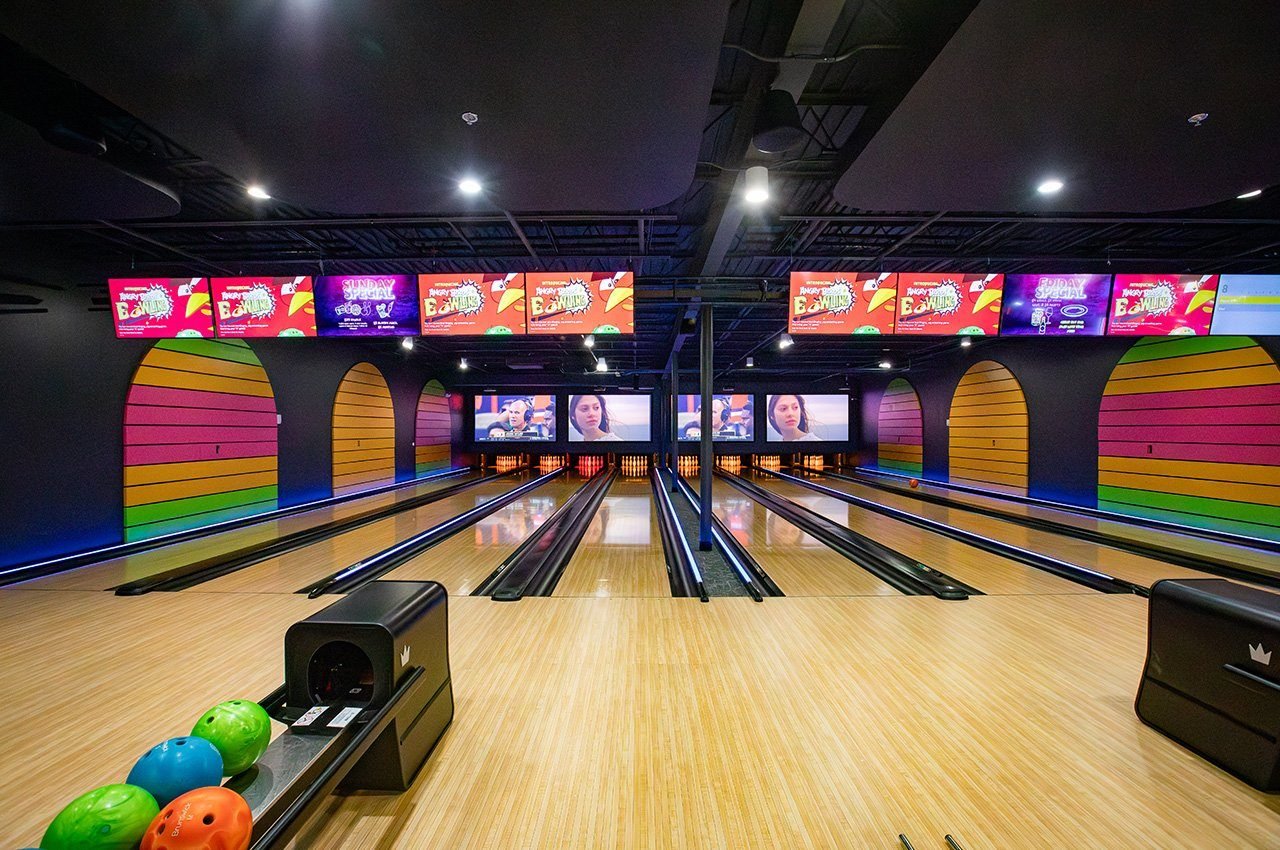
Getting financing for a family entertainment center starts with a document.
Lenders want proof that you understand the numbers. They also want to see that you can repay the loan even if things go slower than planned.
The Small Business Administration (SBA) publishes guidance on writing a business plan, and that guidance covers the same core sections lenders expect. SBA guidance on writing a business plan
Here is what most lenders look for in the document:
- A clear description of the concept and the target customers
- Local market research showing demand within a practical drive time
- A realistic site plan with lease terms and facility size
- Line-item startup costs with a contingency reserve
- Three to five years of financial projections with conservative assumptions
Watch out: Lenders notice when revenue projections assume the center opens at full capacity on day one. Ramp-up in the first year should look realistic.
Step 1: Build a Family Entertainment Center Business Plan Template That Lenders Trust
Start with a template, then fit it to your center. A good template keeps your plan in the order lenders read it.
Use these sections as your starting structure:
- Executive summary: One page covering the concept, the loan request, and the expected return
- Business concept: Attractions, food and beverage, party packages, and target age groups
- Market analysis: Population within 20 to 30 minutes, competing entertainment options, and household income
- Site and facility: Square footage, lease length, build-out needs, and parking
- Operations and staffing: Hours, staff count, and key roles
Keep the executive summary short. Many lenders read it first and decide whether to read the rest closely.
Show your market research with real local numbers where you can. Census data and local chamber of commerce figures are good sources for population and household income.
Step 2: Calculate Your FEC Startup Costs Line by Line
Startup costs are where many applications get weak. Lenders want a line-item budget, not a single round number.
A workable FEC startup budget has six cost buckets. Your actual cost mix depends on whether you lease and build out or buy an existing building.
- Lease and real estate: Security deposit, first and last month's rent, broker fees, and any landlord work letter. Attach the signed letter of intent or lease, not a verbal quote.
- Construction and tenant improvements: Demolition, framing, electrical, HVAC, restrooms, flooring, and life-safety work. Attach contractor bids with a stated scope and a schedule.
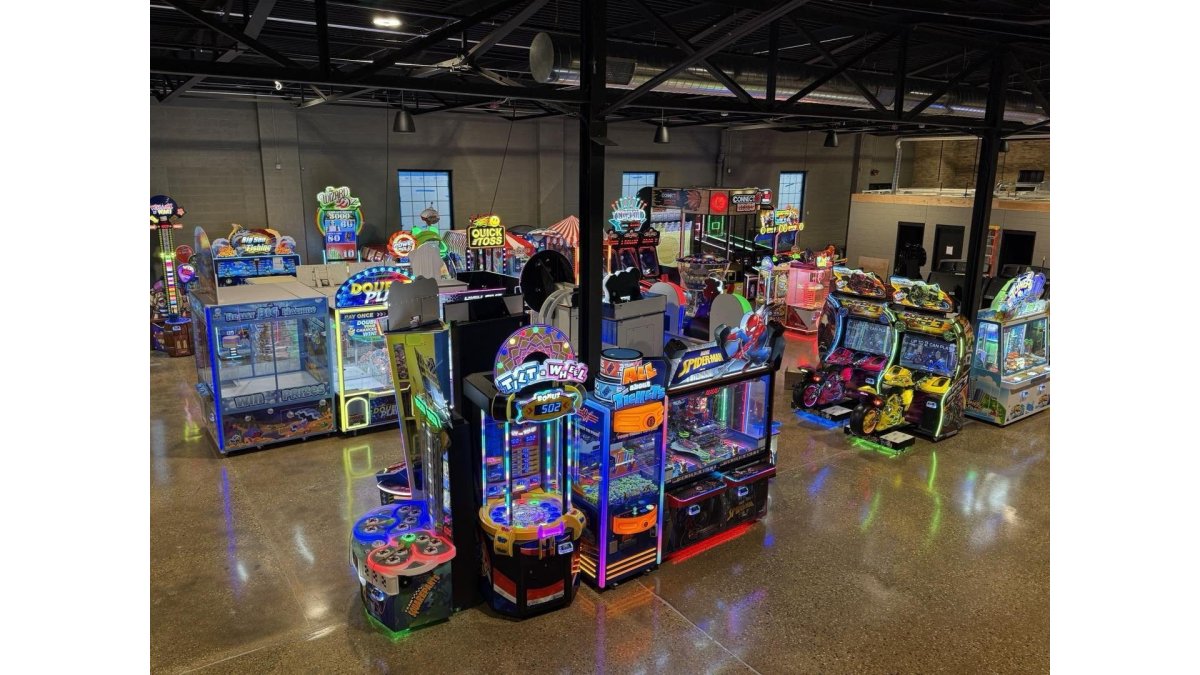
- Attractions and games: Attractions, arcade cabinets, redemption counter, shipping, installation, and commissioning. Attach vendor quotes that separate equipment price from freight and install.
- FF&E and technology: Furniture, signage, décor, point-of-sale, booking software, Wi-Fi, and camera and access-control systems. Attach software subscription quotes and hardware invoices.
- Food and beverage build-out (if offered): Kitchen equipment, hood and fire suppression, smallwares, initial inventory, and health permit fees. Attach the equipment quote and the local health department fee schedule.
- Soft costs and reserves: Permits, inspections, legal and accounting, insurance deposits, pre-opening marketing, staff training, and a contingency reserve sized to your project.
Documentation checklist lenders commonly request for each line:
- Lease: Executed lease or letter of intent showing term, rent, escalation, and landlord contribution.
- Construction: Two or more contractor bids, a scope of work, and a draw schedule.
- Attractions and games: Vendor quotes with lead times and deposit terms; confirm whether the vendor requires progress payments.
- Permits and licenses: The local permit fee schedule, zoning confirmation, and the certificate-of-occupancy path.
- Insurance: A binder or quote for general liability, property, and workers' compensation.
- Soft costs: Marketing contracts, training plans, and legal engagement letters.
Watch out: A single round number for construction is the most common red flag.
Common mistake: Forgetting permits, inspections, and the cost of a delayed opening.
For a deeper look at how costs change depending on whether you buy or build, see our guide on buying an existing FEC vs building new: 2026 guide.
The article lists the six cost buckets a lender expects to see, each with the documents to attach.
| Cost bucket | What it covers | Documentation to attach |
|---|---|---|
| Lease and real estate | Deposits, first and last month's rent, broker fees | Executed lease or letter of intent |
| Construction and tenant improvements | Demolition, electrical, HVAC, restrooms, life-safety | Two or more contractor bids and a draw schedule |
| Attractions and games | Equipment, redemption counter, shipping, installation | Vendor quotes with lead times and deposit terms |
| FF&E and technology | Furniture, signage, point-of-sale, booking software | Software quotes and hardware invoices |
| Food and beverage build-out | Kitchen equipment, hood and fire suppression, permits | Equipment quote and health department fee schedule |
| Soft costs and reserves | Permits, insurance deposits, pre-opening marketing, contingency | Permit fee schedule, insurance binder, marketing contracts |
Step 3: Prepare Family Entertainment Center Financial Projections
Financial projections show how the business will perform once it opens.
Build three core statements:
- Income statement: Revenue by source (admissions, food and beverage, parties, retail), minus operating expenses
- Cash flow statement: Money coming in and going out each month
- Balance sheet: Assets, debts, and owner equity over time
Revenue for a family entertainment center usually comes from several streams.
Use conservative assumptions. Start with fewer visitors in the first months and slower growth than you hope for.
Owners also need a break-even analysis.
Watch out: Projections that show a profit in month one usually raise doubts. Lenders expect a ramp-up period.
Step 4: Determine Your FEC Working Capital Requirements
Working capital is the cash you need to run the center until revenue covers costs. Many owners underestimate it, and this gap causes financial trouble after opening.
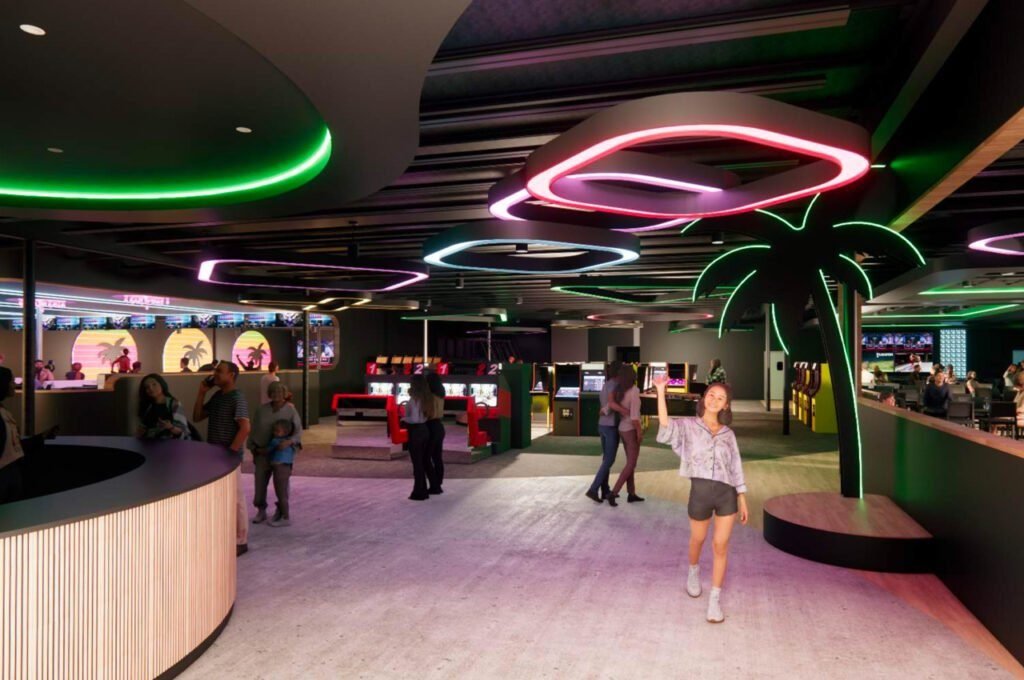
Calculate working capital by adding up at least three to six months of operating expenses. For a deeper walkthrough, see the startup budget contingency planning guide. Include payroll, rent, utilities, insurance, inventory, marketing, and loan payments. Then add a cushion for slow months.
Lenders often ask whether the owner has enough cash to survive a slow start. A step-by-step guide to writing a feasibility study walks through the projections lenders usually require. Your plan should show:
- Monthly operating costs for the first six months
- Expected revenue for each of those months
- The cash balance at the lowest point
- The source of funds to cover any shortfall
Seasonality matters. Family entertainment often peaks during school breaks and holidays. A slow winter or summer can hit cash flow hard, so model those months separately.
Working capital is not part of the startup budget in many plans.
Step 5: Match Your Plan to the Right Financing Option
Different loans suit different situations. A new center, an existing arcade converting to an FEC, and a multi-location expansion each have different risk profiles.
How lenders underwrite an FEC. Most commercial lenders evaluate five things, and your plan should address each one directly:
- Owner equity: Lenders typically expect a meaningful owner equity contribution, and the required amount varies by lender and loan program. Show the source of equity, savings, home equity, or investor capital, with statements.
- Collateral: Attractions, games, and leasehold improvements are specialized and depreciate quickly, so lenders often discount their collateral value. Real estate or equipment that can be resold supports more debt.
- Credit history: Personal and business credit scores, tax returns, and any prior defaults are reviewed early. Resolve reporting errors before applying.
- Debt-service coverage ratio (DSCR): Lenders typically want projected cash flow to cover loan payments by a margin, and the required coverage ratio varies by lender. Build this ratio into your projections and show it explicitly.
- Repayment ability and ramp-up: Lenders test whether the center can service debt during a slow first year. A sensitivity table with a downside case is more persuasive than a single optimistic forecast.
Financing options compared by eligibility and trade-offs:
- SBA-backed loans: Longer terms and lower down payments than conventional loans, but require a full business plan, equity injection, collateral, and personal guarantees. Best for new centers and acquisitions that can document projections and owner equity.
- Conventional bank loans: Often faster and cheaper for strong borrowers, but require solid credit, significant owner investment, and a relationship with the bank. Best for established operators with a track record.
- Equipment financing: Secured by attractions and games, which can reduce the cash needed up front, but terms are shorter and rates higher than real-estate-backed debt. Best for equipment-heavy build-outs or replacements.
- Equipment leasing: Lowers upfront cash and preserves working capital, but you do not own the asset at the end unless you exercise a buyout. Best for fast-changing arcade and attraction technology.
- Investor capital: Reduces debt service and can fund growth, but gives up ownership or control and may require board reporting. Best for multi-location expansion or when debt capacity is exhausted.
- Seller financing: Common in acquisitions, where the seller carries part of the purchase price. Best for buying an existing center with proven cash flow.
Startup versus existing business. A new center needs a full plan, construction and equipment quotes, and a ramp-up case. An acquisition needs seller financials, a quality-of-earnings review, and a transition plan.
Before applying: Confirm personal and business credit, gather two to three years of tax returns, prepare a debt schedule, and ask each lender for its written underwriting criteria. Many rejections happen because the plan was sent to the wrong lender or lacked a required document.
Booking Your Financing Readiness Review with Turfway Entertainment
A plan that is strong on paper still needs a second look before it goes to a lender. Turfway Entertainment provides consulting for both new and established centers, with a focus on helping you minimize risk.
Turfway Entertainment provides consulting from initial concept development and feasibility studies through to operational support. You can review the FEC launch program to see how Turfway helps get a plan reviewed and funded. You can request a consultation for a review tailored to your project.
Start with your draft plan, your startup cost estimate, and your rough revenue assumptions. Bring them to a review, and you will know where the gaps are before a lender does.
Frequently Asked Questions
What should a family entertainment center business plan include?
A lender-ready FEC business plan covers the concept and target market, facility size and site requirements, attractions and revenue streams, staffing and operations, marketing plans, startup costs, and financial statements with projections. Lenders look for realistic assumptions tied to local demand and evidence that you understand how the center will earn and spend money. Pricing for any consulting support depends on scope, so request a quote from Turfway Entertainment for current rates.
How much money do you need to open a family entertainment center?
Total capital needs vary widely with facility size, the number and cost of attractions, build-out and renovation scope, and how much food and beverage you plan to offer. Your plan should itemize each category in USD so lenders can see where every dollar goes. Build a contingency reserve on top of your estimate, and confirm your figures against your own quotes from equipment suppliers and contractors.
What financial information do lenders require for an FEC loan?
Most lenders ask for a personal financial statement, business financial statements or projections, a sources and uses of funds table, evidence of your owner equity contribution, and a credit history review. They also want to see debt service coverage, meaning your projected cash flow should comfortably cover loan payments. Presenting conservative assumptions and a clear break-even analysis strengthens your application.
Can a new family entertainment center qualify for an SBA loan?
A new FEC can apply for an SBA-backed loan, but startups face stricter scrutiny because there is no operating history to show repayment capacity. Lenders typically expect a meaningful owner investment, a detailed business plan, and strong projections. Ask your lender which SBA loan program fits your project and what documentation they require before you submit.