 comparison
7 Questions to Ask Before Hiring Venue Project Managers
Last Updated: October 30, 2026
Quick Summary
Venue project management is the coordinated work that takes an entertainment venue from concept to an open, profitable business. It covers scheduling, budgeting, contractor coordination, permitting, and quality control. The best providers hand you named deliverables with due dates at each phase.
- Ask each provider what they will deliver at the end of every project phase.
- Confirm whether a provider practices venue management, project management, or event management.
- Request three references from venues of the same type and size.
- Compare contract models, since fixed fees, hourly billing, and retainers shift risk differently.
- Plan for permits, contingency reserves, and initial staffing beyond the consulting fee.
Table of Contents
- What Entertainment Venue Project Management Services Include
- Venue Management, Project Management and Event Management: How They Differ
- Side-by-Side: Comparing Entertainment Venue Project Management Providers
- Fees, Contract Models and Budgeting for Venue Projects
- Building a Feasibility Study and Family Entertainment Center Business Plan
- Operational Assessments and Staff Training for Ongoing Success
- Booking Your Venue Project Consultation with Turfway Entertainment
- Frequently Asked Questions
What Entertainment Venue Project Management Services Include
Entertainment venue project management services are the coordinated work that takes a family entertainment center from a concept on paper to an open, profitable business. For most owners, the difference between a smooth build and a costly one comes down to how well that work is planned and tracked.
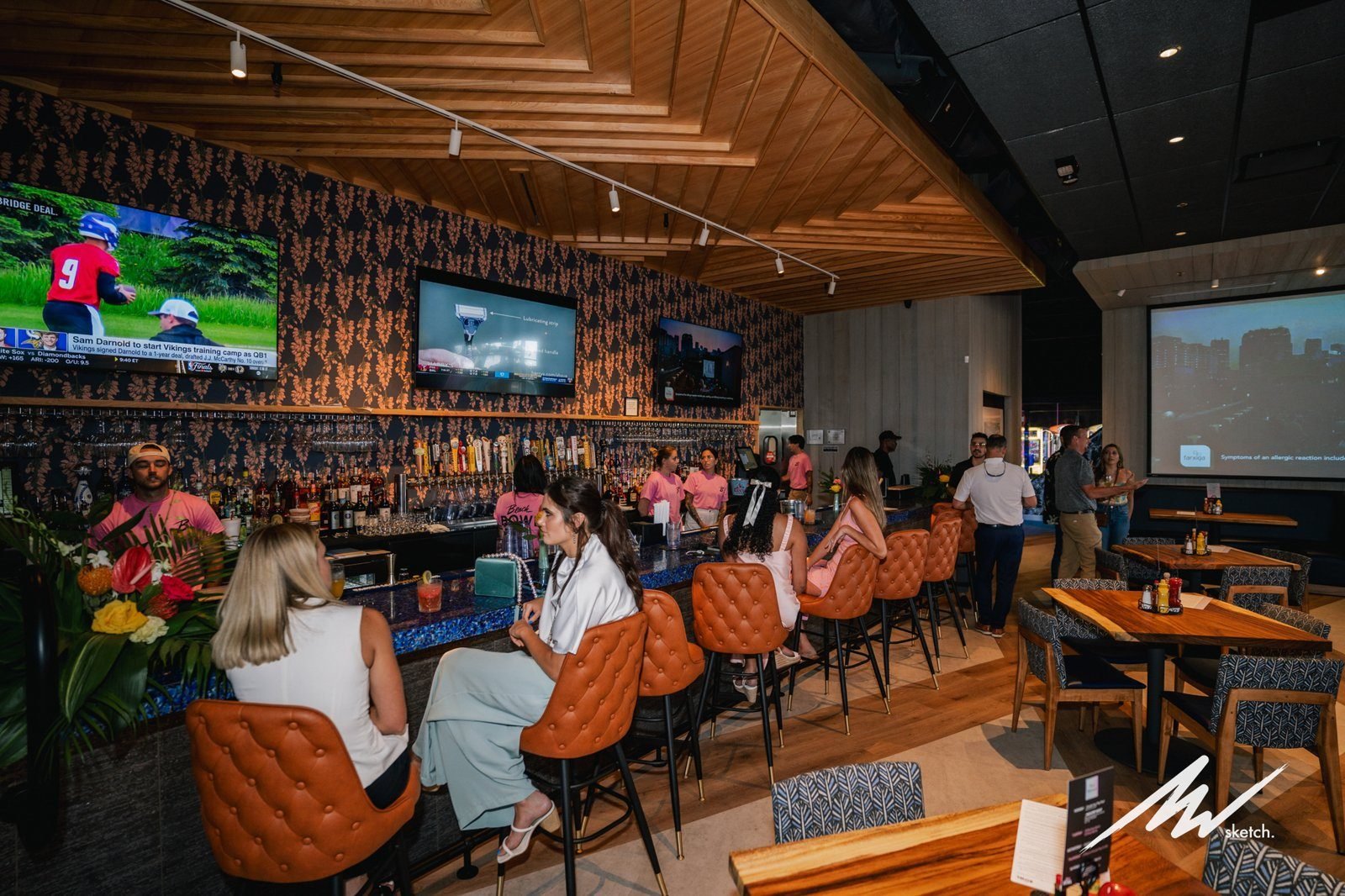
Venue project management covers scheduling, budgeting, contractor coordination, permitting, and quality control. It also includes the decisions made before any construction starts, such as sizing the building and choosing attractions that fit the local market. U.S. Small Business Administration guidance on business planning
Project lifecycle and deliverables
A well-run venue project usually moves through distinct phases, and each one should produce something tangible. Concept development yields a clear business model. Feasibility work yields financial projections that a lender can review. Design and construction yield drawings, permits, and a signed budget. Pre-opening yields trained staff and tested systems.
The most useful question to ask any provider is what they will hand you at the end of each phase. Vague promises of "support" are hard to measure. Named deliverables, with due dates, are not.
Event production and audio-visual coordination
Many family entertainment centers host birthday parties, corporate events, and league play, so event production belongs in the plan from the start. Audio-visual systems, lighting, party room layouts, and sound isolation all affect what the venue can sell.
Ask whether the provider coordinates these systems with the architect and electrical contractor. Late changes to wiring or ceiling loads are expensive. Planning them early is far cheaper.
Venue Management, Project Management and Event Management: How They Differ
These three terms are often used interchangeably, but they describe different jobs. Venue management is the ongoing operation of a building: staffing, maintenance, guest flow, and daily revenue. Project management is the time-limited work of delivering something new, such as a build-out or renovation. Event management focuses on planning and running individual gatherings held at the venue.
Confusing them leads to hiring the wrong expert. A firm that runs events well may not know how to manage a construction schedule. A builder may have no experience with operating a party-booking business. Before signing anything, confirm which of these three disciplines the provider actually practices.
Side-by-Side: Comparing Entertainment Venue Project Management Providers
The table below uses the criteria that matter most when shortlisting. It is a framework for your own evaluation, not a ranking of specific firms.
| Criteria | What to Look For | Why It Matters |
|---|---|---|
| Venue-type experience | Family entertainment, arcades, or multi-venue complexes | Attraction mix and guest flow differ by venue type |
| Lifecycle coverage | Concept through pre-opening, or only one phase | Gaps between phases cause delays and cost overruns |
| Financial modeling | Feasibility studies a lender can review | Financing often depends on credible projections |
| Operational support | Post-opening health checks and staff training | Early operational mistakes drain profit |
| Deliverables | Named documents with dates | Makes progress measurable |
Compare by scope, venue type, and delivery model
A useful comparison sorts providers along three axes rather than by marketing claims. First, scope: does the provider cover the full lifecycle from concept and feasibility through design coordination, construction oversight, commissioning, and opening, or only a single phase such as construction management or operational consulting? Second, venue type: does the firm have documented experience with the specific format you are building, whether that is a family entertainment center, an arcade, a multi-venue complex, a theater, or a live-event space? Third, delivery model: is the engagement structured as owner's representative, project manager, program manager, or consultant, and who holds the contract with the general contractor?
| Comparison axis | Option A | Option B | Option C |
|---|---|---|---|
| Scope | Full lifecycle (concept to opening) | Design and construction only | Operations and pre-opening only |
| Venue type | Family entertainment and arcade | Multi-venue complex | Theaters and live-event spaces |
| Delivery model | Owner's representative | Project manager | Advisory consultant |
| Contract with GC | Provider holds or coordinates | Owner holds directly | Not applicable |
| Typical deliverables | Feasibility study, budget, schedule, commissioning report | Drawings review, permit log, punch list | Staff training plan, SOPs, health check |
What to verify before shortlisting
Ask each provider for three references from venues of the same type and size, and ask specifically what changed in schedule or budget because of their involvement. Request a sample deliverables list with due dates. Confirm who on the team will actually do the work versus who is presented in the pitch. A provider that cannot answer these questions in writing is a risk on a capital project.
Compare any provider against the same criteria before you decide.
Fees, Contract Models and Budgeting for Venue Projects
Consulting fees vary widely, and the structure of a contract can matter as much as the price. Common arrangements include fixed fees for a defined scope, hourly or time-based billing, and retainers for ongoing advisory work. Some providers tie part of their fee to milestones.
Contract models and what each one shifts
| Model | How it works | Best fit | Watch for |
|---|---|---|---|
| Fixed fee | A set price for a defined scope and deliverables | Well-defined phases such as feasibility or commissioning | Scope creep; confirm what is excluded |
| Hourly or time-based | Billed at an agreed rate per hour or day | Advisory work with uncertain duration | Requires clear reporting and caps |
| Retainer | A recurring fee for ongoing availability | Post-opening operational support | Define response times and included hours |
| Milestone-based | Part of the fee tied to named deliverables or dates | Projects with clear phase gates | Milestones must be objectively verifiable |
| Percentage of project cost | Fee scales with construction value | Large capital projects | Can reward higher build costs; cap it |
Each model shifts risk between owner and provider. A fixed fee protects the owner from cost overruns on scope but invites disputes over what is included. Hourly billing is flexible but rewards time spent, so require weekly reporting and a not-to-exceed cap. Milestone-based fees align payment with progress but only work when milestones are defined in writing.
What drives cost on a venue project
Pricing depends on project size, scope, location, and timeline, so no general figure applies to every owner. The largest cost drivers are usually the number of phases covered, the complexity of the attraction mix, whether the site is a new build or a conversion, the number of jurisdictions issuing permits, and how much design coordination the provider must manage. A single-phase engagement on a straightforward conversion costs far less than full lifecycle coverage on a multi-attraction new build.
Building a project budget beyond the consulting fee
Budgeting should account for more than the consultant's fee. Plan for permits, contingency reserves for construction surprises, equipment, initial staffing, and operating expenses before revenue stabilizes. Ask any provider to show how they build their budget estimates and what contingency they include.
For current pricing or a quote tailored to your project, contact Turfway Entertainment directly through its website.
Building a Feasibility Study and Family Entertainment Center Business Plan
A feasibility study tests whether a planned family entertainment center can work financially in a specific location. It typically examines the local market, competing attractions, the proposed attraction mix, projected attendance, and revenue by source, such as admissions, food and beverage, and party sales. Lenders and investors rely on it to judge risk.
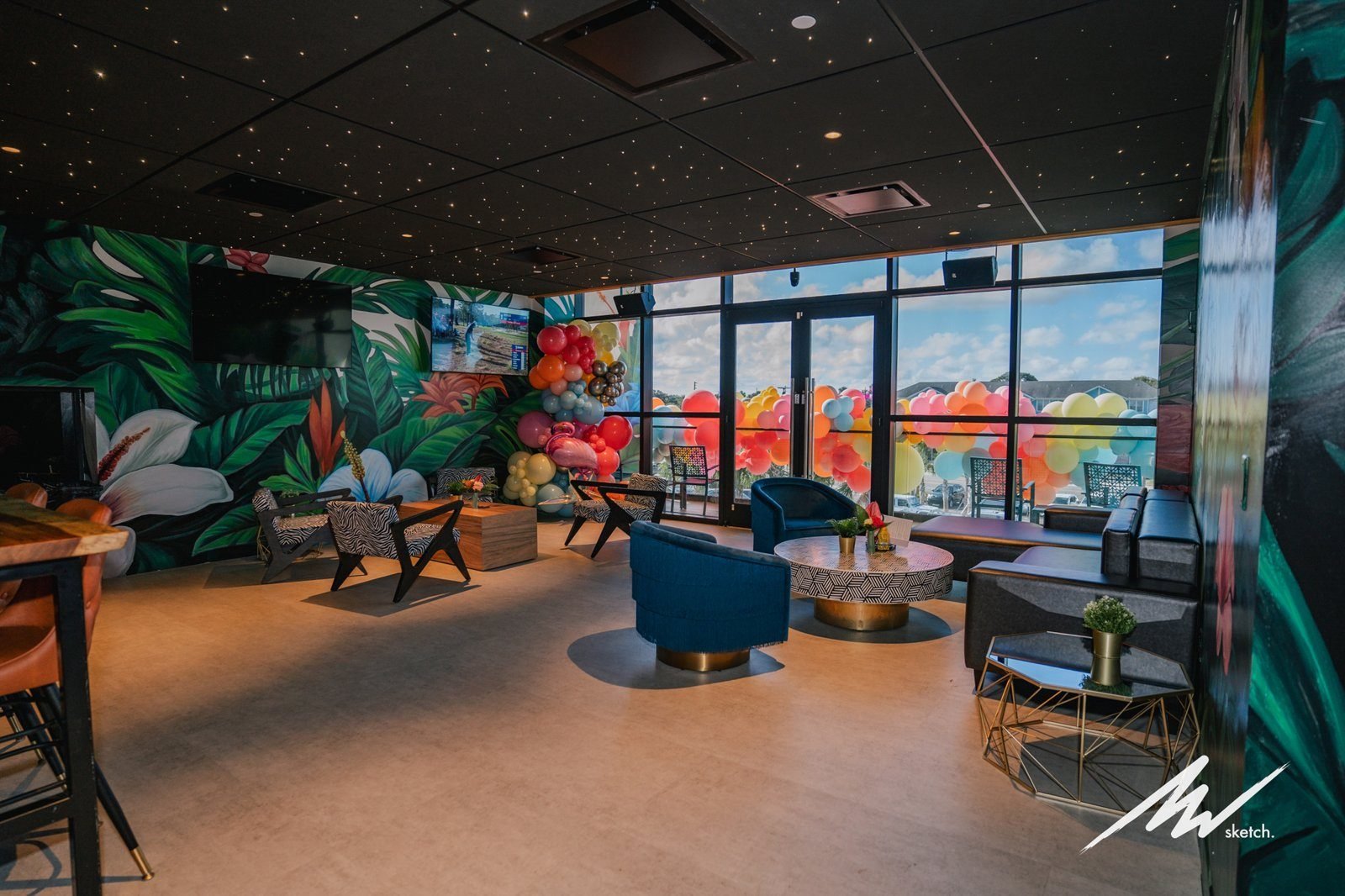
A family entertainment center business plan builds on the feasibility study. It sets out the concept, operating model, staffing plan, capital requirements, and multi-year financial projections. The two documents should agree. If the business plan assumes attendance the feasibility study does not support, a lender will notice.
When you evaluate a provider, ask to see sample financial projections and how assumptions are documented. Clear assumptions are easier to defend in a lender meeting.
Operational Assessments and Staff Training for Ongoing Success
Opening is only the start. Established centers often lose profit through weak scheduling, inconsistent food and beverage margins, or untrained staff. An operational assessment reviews how the venue actually runs, identifies where money and guest experience are leaking, and sets priorities for fixing them.
Staff training is the other half of that work. Front-desk employees, party hosts, and food and beverage staff all shape the guest experience. Training should be tied to written procedures so that results do not depend on one manager.
Turfway Entertainment offers an Operational Health Check for existing centers. The page describes what the assessment covers and how to book it.
Booking Your Venue Project Consultation with Turfway Entertainment
If you are planning a new family entertainment center or trying to improve an existing one, the first step is a conversation about your specific situation. Turfway Entertainment works with new launches and established centers. Review its service offerings to see which engagement fits your stage, then request a consultation to discuss scope, timing, and budget.
For owners who need financial groundwork first, Turfway's FEC consulting services for feasibility studies and business planning address feasibility work for new ventures. Before committing, read the detailed feasibility study cost and timeline guide to plan your budget.
Choose a provider based on whether it can show you named deliverables, explain its contract model, and demonstrate experience with venues like yours.
Frequently Asked Questions
What do entertainment venue project management services include?
Entertainment venue project management services generally cover the project lifecycle from concept through opening. The scope varies by provider, so ask for a written list of deliverables at each phase before signing. Contact Turfway Entertainment to discuss the services available for your project.
How do I choose a project management consultant for an entertainment venue?
Start by checking whether the consultant has direct experience with your venue type, such as family entertainment centers, performing arts centers, or sports venues. Ask for references from completed projects, review how they define deliverables and budget controls, and confirm how they handle due diligence on vendors and sites. Compare proposals on scope and contract structure rather than price alone, since a low fee can hide gaps in coverage.
How much do entertainment venue consulting services cost?
Pricing depends on project size, scope, number of phases, and contract model, so there is no single standard rate to quote. Some providers charge fixed fees for defined phases, while others bill hourly or take a percentage of project cost. For current pricing and a scope-specific quote, contact Turfway Entertainment directly.
What should an entertainment venue feasibility study include?
A feasibility study should assess the target market, local competition, site suitability, projected attendance, revenue streams such as food and beverage and event sales, capital requirements, and a multi-year financial projection. Lenders and investors typically want to see assumptions clearly stated and tested under conservative scenarios.