 how-to
7 Steps to Secure Financing for a Family Entertainment Center
Quick Summary
To secure financing for a family entertainment center, build a business plan and feasibility study that show local demand, a realistic startup budget with a contingency reserve, and a mix of loans, leasing, and equipment financing matched to each cost. Lenders fund a repayment plan, so prove the center can cover its debt even when early attendance is slow.
- Lenders review the business plan first, so put key numbers on the first two pages.
- Build the startup budget from written supplier quotes and contractor bids, not rough guesses.
- Hold a contingency reserve for construction delays, permit changes, and slow early months.
- Match each funding source to its purpose, such as leasing attractions and financing build-out with a term loan.
- Gather tax returns, personal financial statements, and proof of down payment before you apply.
Table of Contents
- Why Lenders Treat Family Entertainment Centers Differently
- Step 1: Build a Business Plan Lenders Will Read
- Step 2: Validate Demand With a Market Feasibility Study
- Step 3: Estimate Startup Capital and Plan Your Contingency Reserve
- Step 4: Compare Debt, Leasing and Equipment Financing Options
- Step 5: Prepare Collateral, Down Payment and Credit Documents
- Step 6: Consider Alternative Funding Such as Crowdfunding or Private Equity
- Step 7: Plan Financial Management After the Loan Closes
- Your Next Move: Requesting a Financing-Ready Feasibility Review
- Frequently Asked Questions
Last Updated: November 4, 2026
How to secure financing for a family entertainment center starts with one fact most founders learn too late: lenders are not funding your dream, they are funding a repayment plan.
The seven steps cover the business plan, feasibility study, startup capital, debt and leasing options, collateral and credit documents, alternative funding, and a financing-ready review. None of it guarantees approval.
Why Lenders Treat Family Entertainment Centers Differently
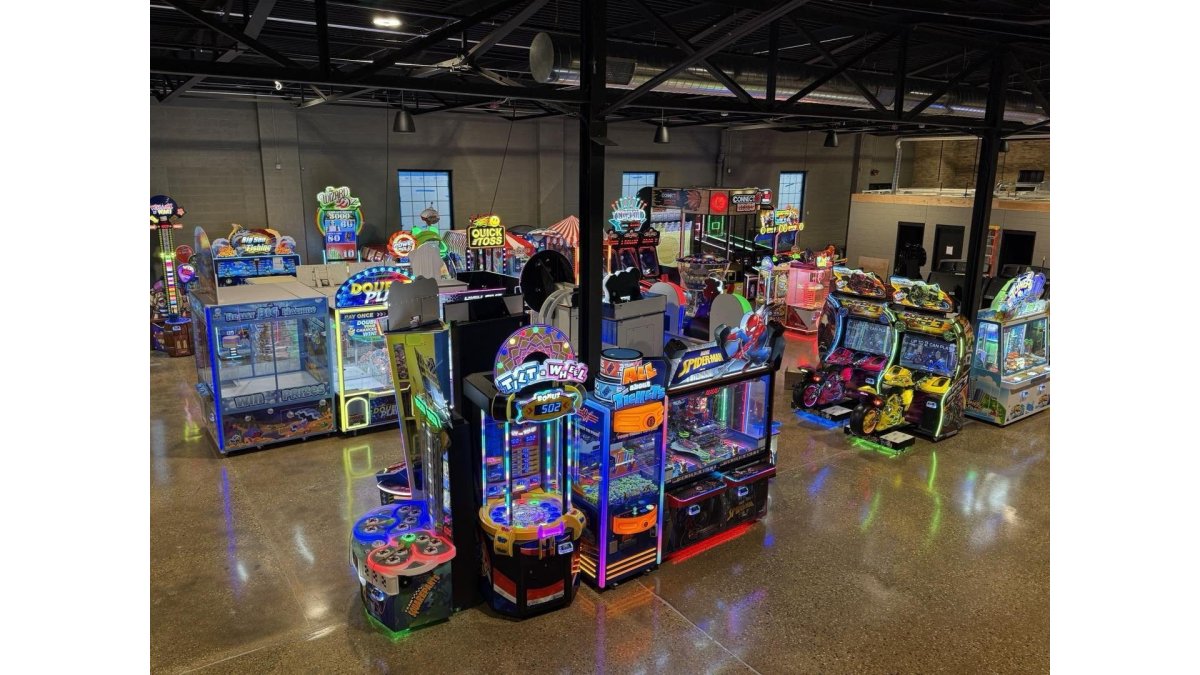
A family entertainment center, or FEC, is a venue that combines attractions such as arcade games, trampolines, bowling, and food service under one roof.

That risk shapes every request: lenders want proof the concept fits the local market, the budget covers the real cost of opening, and the owner can repay the loan even if early attendance falls short.
- Attractions require large capital expenditures
- Revenue depends on seasonal and local family demand
- Build-out and leasehold improvements can run well over the first estimate
The good news is that FECs are financeable when the file answers those concerns directly. The steps below show how.
Step 1: Build a Business Plan Lenders Will Read
A business plan is the document a lender reads first, and often the only one read in full.
Keep the plan focused and specific. Lenders skim long plans, so put the key numbers on the first two pages.
- Concept: Describe the attractions, age range, and visit length
- Market: Name the trade area and the competing entertainment options
- Management: Show who runs the center and their relevant experience
Watch out: Projections showing a profit in month one rarely convince a lender.
Some founders seek outside help with this step to make sure the plan matches what lenders expect to see.
Step 2: Validate Demand With a Market Feasibility Study
A market feasibility study tests whether the FEC can draw enough customers to cover its costs. It looks at population, household income, competing venues, and expected visit rates in the trade area.
Lenders use the study to judge the revenue forecast, and one built on local data and a clear method carries far more weight than broad national averages. For cost and timing, see our feasibility study cost and timeline guide; for writing one lenders will accept, see our guide on how to write a feasibility study for an FEC.
Step 3: Estimate Startup Capital and Plan Your Contingency Reserve
Startup capital covers everything needed to open: land or lease costs, construction, attractions, equipment, permits, inventory, staffing, and working capital for the first months.
Lenders also want a contingency reserve. Construction delays, permit changes, and slower early attendance are common, and a reserve lets the business absorb them.
- List every cost category, not only the big ones
- Get written quotes for attractions and build-out
- Hold a reserve for unexpected costs and slow early months
For a deeper walkthrough of the numbers, our FEC startup budget contingency planning guide shows how to build this section step by step.
Step 4: Compare Debt, Leasing and Equipment Financing Options
Financing for an FEC usually comes from several sources at once. Each has different terms, collateral needs, and repayment schedules, and the mix determines how much of your own cash stays in the business during the slow first year.
- Term loans: A lump sum repaid over a fixed period, often used for build-out and working capital. Monthly principal and interest start day one, which is why the ramp-up period in your projections matters.
- Equipment leasing: Lets you use attractions and machines without paying full price upfront. Terms commonly run three to seven years, and the equipment secures the obligation, so the lease rarely touches your real estate or personal assets.
- Equipment financing: A loan secured by the equipment itself, common for attraction purchases. Because the lender can repossess and resell the asset, approval often turns more on resale value than on your operating history.
Match the source to the purpose. Borrowing long-term money for short-term needs creates strain, and paying cash for assets you could finance drains the reserve you need most.
SBA 7(a) Loan Requirements
The SBA 7(a) loan is a federal program, backed by the U.S. Small Business Administration, that small business owners use for startup and expansion costs (7(a) loans).
Program terms change, so confirm current loan limits, guarantee percentages, equity requirements, collateral rules, credit expectations, and permitted uses directly with the U.S.
Watch out: Lenders may review your personal financial statement as closely as the business plan, so address any thin personal balance sheet or credit issues before you shop for a lender.
Speaking the Lender's Language on Risk
Most FEC loan files are declined on risk, not on concept. Lenders often weigh several risks specific to this industry, and addressing them in the application can strengthen it:
- Seasonality: Show twelve months of projected cash flow, not an annual total, and demonstrate debt service is covered in the weakest quarter. Underwriters generally look for debt service to be covered in the slow months.
- Liability: Attractions carry injury exposure. Carry general liability and, where required, amusement-device or trampoline-specific coverage, and put the certificate in the file.
- Concentration: A center depending on one anchor attraction or one birthday-party channel looks fragile. Show multiple revenue lines, admissions, arcade, food and beverage, parties, group events.
A one-page risk summary naming each of these risks and showing how your plan handles it can help you communicate with underwriters.
The main financing sources differ in terms, collateral and repayment, as summarised below.
| Option | Best for | Key difference |
|---|---|---|
| Term loan | Build-out and working capital | Fixed repayment period; payments start day one |
| Equipment leasing | Attractions and machines | Terms of three to seven years; equipment secures the obligation |
| Equipment financing | Attraction purchases | Secured by the equipment; approval turns on resale value |
| Line of credit | Operating needs like payroll | Drawn and repaid as cash moves; poor fit for permanent costs |
| Seller financing | Buying an existing center | Skips bank underwriting; usually needs a personal guarantee |
Step 5: Prepare Collateral, Down Payment and Credit Documents
Most lenders want the owner to contribute equity and to pledge assets as security. Collateral can include real estate, equipment, or other business assets.
Gather your documents before you apply. A complete file moves faster and signals a well-run business.
- Personal and business tax returns for recent years
- Personal financial statement listing assets and debts
- Business bank statements and any existing debt schedules
Watch out: Lenders check personal credit as well as business credit, especially for a new business. Review your credit report early and correct errors before you apply.
Step 6: Consider Alternative Funding Such as Crowdfunding or Private Equity
Bank loans are not the only route, and for a startup FEC with limited collateral they are often not the fastest one. The alternatives below trade a different currency, ownership, future revenue, or community goodwill, for capital, and each carries a real cost that the loan route does not.
Regulation Crowdfunding
Under Regulation Crowdfunding, a private company can raise capital from many small investors through a registered funding portal (SEC.gov). The rules cap how much an issuer can raise in a twelve-month period and require SEC disclosure filings, so this is a securities offering with ongoing reporting obligations, not a casual online fundraiser (SEC.gov). The practical trade-offs:
- Cost: Portal fees, legal and accounting work for the disclosure filing, and marketing spend typically consume a meaningful share of the raise.
- Speed: A compliant campaign usually takes several months to prepare, not weeks.
- Upside: You keep control, you build a list of local customers with a financial stake in the center, and the raise itself generates press.
Rewards-Based Crowdfunding
A rewards campaign, pre-selling birthday-party packages, memberships, or founding-family passes, is not a securities offering and is far simpler to run. It works best when you already have a local audience and a location the community can see. The capital is real, but it is also revenue you have discounted, so model the margin impact before you lean on it.
Private Equity and Angel Investors
Equity investors bring capital without a monthly debt payment, which matters enormously in the thin first year. In exchange they take an ownership stake, a share of future profits, and usually a board seat or consent rights over major decisions. Equity investors typically expect a diligence process and an exit path within a defined horizon. For a single-location FEC, interested equity investors are fewer than for a multi-unit concept, so this route often works best when a second site is already in the plan.
Seller and Landlord Participation
Two quieter alternatives deserve a place on the list. When buying an existing center, a seller note for part of the purchase price reduces the bank loan you need and signals the seller's confidence. When leasing, some landlords fund a portion of tenant improvements in exchange for a longer lease or higher rent, capital that never appears on your debt schedule.
Choosing Between Them
- If you have collateral and steady personal credit: a bank or SBA loan is usually the cheapest capital.
- If you have a strong local following but thin collateral: rewards-based crowdfunding or a landlord TI allowance can bridge the gap.
- If you have a multi-unit vision and can accept a partner: equity may be worth the dilution.
Watch out: Mixing equity and debt without a clear capital stack can leave you unable to meet a lender's debt service coverage test, because equity investors expect distributions that compete with loan payments.
If you are deciding whether to build new or buy an existing center, the comparison in our buying an existing FEC vs building new guide shows how each path changes the amount and type of financing you need.
Step 7: Plan Financial Management After the Loan Closes
Getting funded is only the start. Lenders watch how the business performs after opening, so plan that management before the doors open.
Track cash flow weekly, compare actual attendance and food and beverage sales against projections, and keep loan payments and debt service coverage in view. Early warning signs, such as attendance below plan, give you time to adjust pricing, marketing, or costs before a problem grows.
Your Next Move: Requesting a Financing-Ready Feasibility Review
Financing an FEC is manageable when the business plan, feasibility study, budget, and documents all tell the same story. Start with the weakest part of your file and fix it first.
If you want an outside review before you approach a lender, visit the Turfway Entertainment website to learn about consulting services and request a consultation to discuss your project.
Frequently Asked Questions
How much does it cost to open a family entertainment center?
Costs vary widely with building size, attraction mix, and whether you lease or buy the property. Build-out and equipment are typically the largest line items, followed by working capital to cover payroll and operating expenses until revenue stabilizes. Because pricing depends on the specific equipment, quantities, and delivery terms, get current quotes from vendors and contractors rather than relying on published averages. Build a contingency reserve into your budget so unexpected construction or permitting costs do not stall the project.
What credit score do I need for equipment financing?
Lenders do not publish a single minimum score for equipment financing, and requirements depend on the lender, the amount requested, and the strength of the overall application. Strong personal credit, a documented down payment, and clear cash flow projections all improve your position. Equipment financing is often easier to secure than general working capital because the financed equipment can serve as collateral. Review your credit reports before applying and correct any errors.
What documents are needed for a commercial business loan application?
Most lenders request a business plan, personal and business tax returns, financial statements, a schedule of debts, a personal financial statement for each owner, and a list of collateral. For a family entertainment center, add the market feasibility study, equipment quotes, lease or property documents, zoning and permit status, and a detailed cash flow projection. Having these organized before you apply shortens underwriting and signals that the management team is prepared.
Are family entertainment centers considered high-risk by lenders?
Lenders often view new family entertainment centers as higher risk than established businesses because there is no operating history and revenue depends heavily on local demand. A credible feasibility study, realistic revenue forecasts, and a plan for managing the first 12 to 24 months of operations reduce that perception. Showing owner equity and experience in the leisure or hospitality sector also helps.